
Clinical study design, explained
How studies are built.
Five designs. Clear diagrams. No background needed.
05
Designs
04
Methods
15
Terms
- Randomize
- Blind
- Control
- Placebo
- Cohort
- Crossover
- Snapshot
- Endpoint
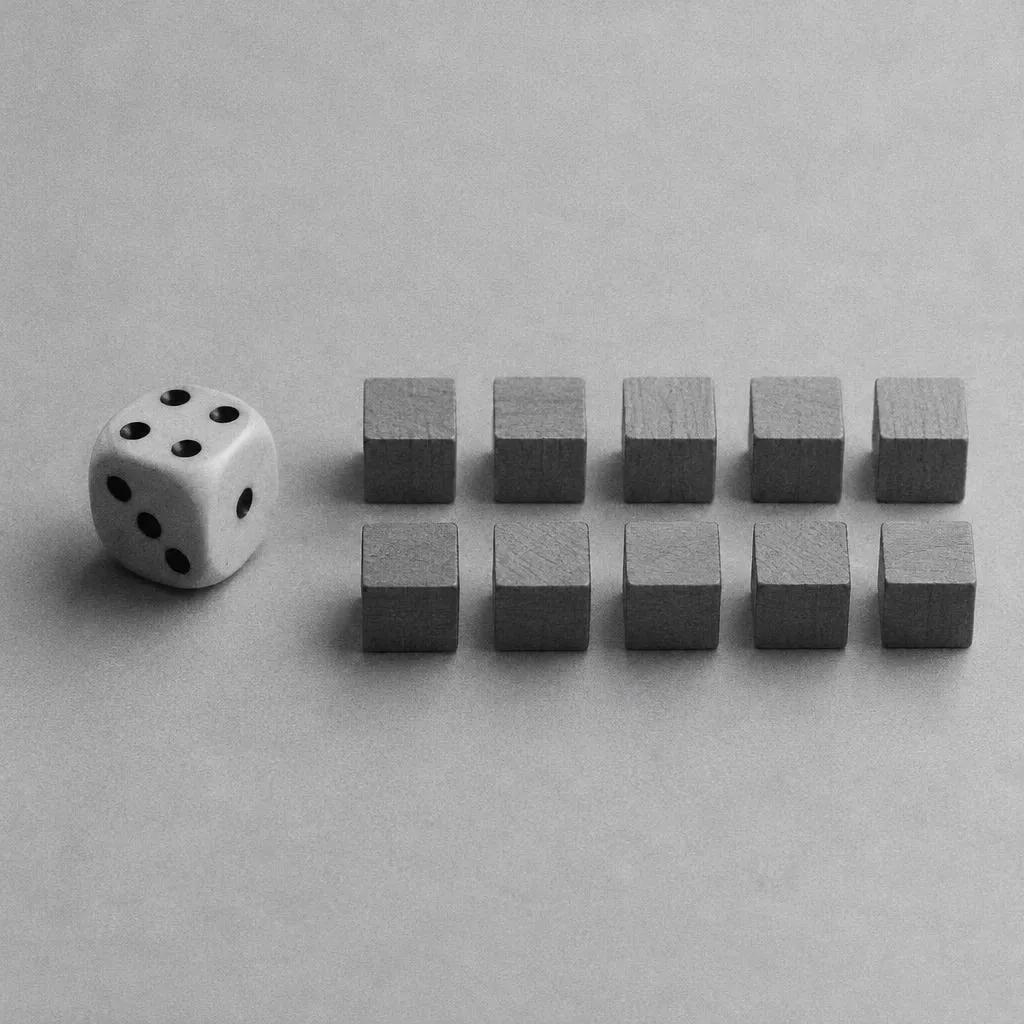

Five designs to know
Tap a design.
studydesignstudio.com/rct
Randomized Controlled Trials
Volunteers are assigned to groups by chance, so the groups start out alike and differences at the end are easier to interpret.
- Random assignment to groups
- A comparison or control group
- Often paired with blinding
Comparison chart
How they stack up.
- Randomized5/5
- Cohort3/5
- Case-control2/5
- Cross-sectional1/5
How it works
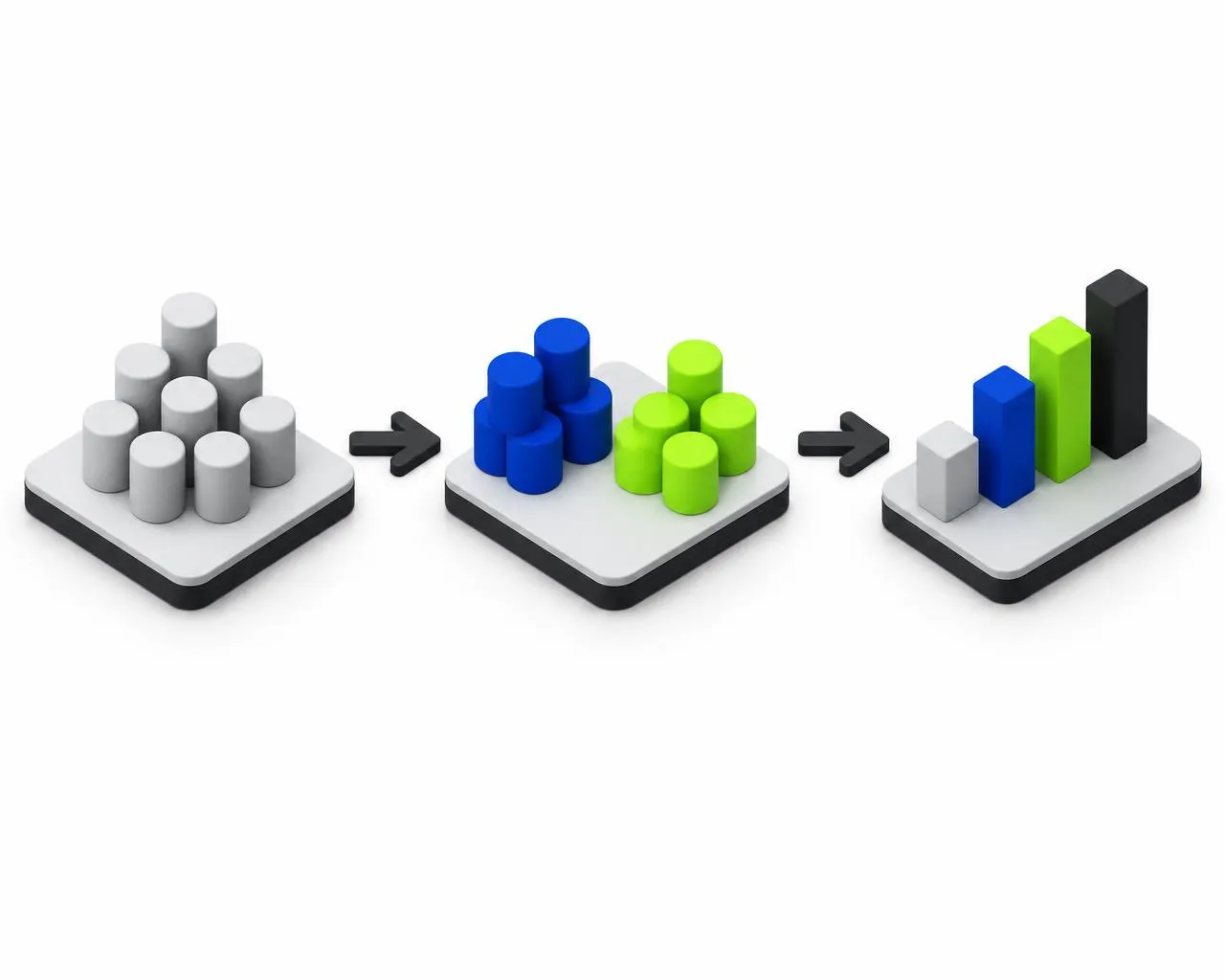
Three steps.
- 01
Pick a design
Start with one of five study types.
- 02
Follow the diagram
See how people move through it.
- 03
Compare
Check what each design can and cannot show.
FAQ
Quick answers.
Do I need a science background?
No. Every guide starts from zero.
Is this a research program?
No. Study Design Studio explains how studies work. It does not run studies or enroll anyone.
Are the text messages required?
No. They are optional, and every page is free to read without them.
How do I stop texts?
Reply STOP at any time. Reply HELP for help.

Get the guides by text.
Get the Guidesvaries based on account activity
Account Notifications
generally up to 4 messages per month
Marketing
- Optional. Reply STOP to cancel, HELP for help.